
Quel est le point de départ idéal pour les petites installations d'éclairage ? Comment faciliter le contrôle et la programmation ? De quel type d'éclairage avez-vous besoin pour obtenir l'effet désiré ? Dans notre guide sur la conception de l'éclairage de scène, nous répondrons à toutes ces questions et à bien d'autres encore, afin que vous puissiez avoir confiance non seulement dans la partie spectacle d'un spectacle en direct, mais aussi dans les aspects visuels.
Les objectifs et les fonctions de l'éclairage de scène
A priori, éclairage de scène est très simple. Il éclaire la scène et permet de voir facilement les artistes. C'est notamment à cela que servent le rétroéclairage et l'éclairage par projecteurs, qui permettent de s'assurer que chaque artiste est clair et visible. Mais l'éclairage de scène peut faire bien plus que cela !
Il plante également le décor et l'ambiance d'un spectacle. Pensez à une représentation théâtrale. La façon dont les accessoires en arrière-plan sont éclairés permet de suivre facilement ce qui se passe sur scène, et l'ambiance générale de l'éclairage contribue à refléter les sentiments des personnages.
Imaginez une boîte de nuit pleine d'énergie, avec un DJ qui joue de superbes chansons tandis que les lumières clignotent. Les rayons verts d'un laser qui traversent les lumières ambiantes peuvent vous donner cette sensation d'excitation électrique.
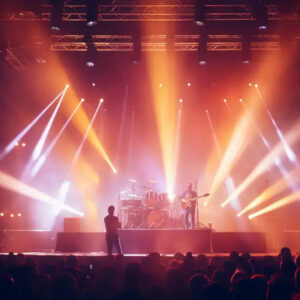
Enfin, imaginez que vous assistez à un concert de votre groupe préféré. Cette sensation, lorsque la musique sur les haut-parleurs s'arrête et que les lumières s'éteignent avant que les membres du groupe ne commencent à jouer - l'effervescence et l'anticipation sont favorisées par une conception astucieuse de l'éclairage.
Types de lumière
| Cedar Ridge Designs Inc. | Colin | Unrah | colin@cedarridgedesigns.ca |
| Century Lane Kitchens Inc | Quartier | Quering | info@centurylane.net |
Conception de l'éclairage de scène - le jargon
Grâce à l'IA, le MaestroDMX analyse la musique en direct et adapte ses couleurs, ses mouvements et ses effets en temps réel, en synchronisation avec l'énergie de la performance.
Polyvalent et hautement compatible, MaestroDMX fonctionne en toute transparence avec n'importe quel appareil équipé de DMX, des têtes mobiles aux stroboscopes. En fait, vous pouvez créer des présentations d'éclairage complexes avec pratiquement n'importe quelle configuration.
Il est doté d'une interface conviviale et d'une application qui vous permet de personnaliser votre spectacle lumineux à partir de n'importe quel appareil. L'application vous permet de concevoir des signaux, de définir des scènes statiques et d'ajuster l'éclairage pour qu'il corresponde à des ambiances spécifiques.
Différentes positions d'éclairage Éclairage avant
La couleur de votre éclairage peut vraiment planter le décor. Les couleurs peuvent placer le public dans l'environnement dans lequel vous voulez qu'il se trouve et lui faire ressentir l'émotion que vous voulez qu'il ressente. Mélanger les couleurs est un excellent moyen d'ajouter de la profondeur à cet effet.
La plupart des ampoules LED à mélange de couleurs vous permettent d'équilibrer les niveaux des couleurs de base disponibles de leurs ampoules. Par exemple, avec les lampes LED RVB, vous pouvez équilibrer le rapport entre le rouge, le vert et le bleu pour créer une palette de couleurs étonnamment large. Avec des luminaires plus perfectionnés, vous pouvez mélanger des couleurs supplémentaires comme le blanc, l'ambre, le jaune et même l'ultraviolet.
Envoyez-nous un e-mail pour obtenir la liste dès maintenant !
Comment réaliser une conception d'éclairage de scène
Il plante également le décor et l'ambiance d'un spectacle. Pensez à une représentation théâtrale. La façon dont les accessoires en arrière-plan sont éclairés permet de suivre facilement ce qui se passe sur scène, et l'ambiance générale de l'éclairage contribue à refléter les sentiments des personnages.
Imaginez une boîte de nuit pleine d'énergie, avec un DJ qui joue de superbes chansons tandis que les lumières clignotent. Les rayons verts d'un laser qui traversent les lumières ambiantes peuvent vous donner cette sensation d'excitation électrique.
Enfin, pensez à voir votre groupe préféré en concert. Cette sensation lorsque la musique sur les haut-parleurs s'arrête et que les lumières s'éteignent avant que les membres du groupe ne commencent à jouer



 English
  Français
  Español
  Português
  Русский